
A Weekend of Art, Architecture, and Design in Reykjavík

This Icelandic capital rewards visitors who slow down and look closely. Spend a weekend exploring art, architecture, and design in Reykjavík, and the city opens up in unexpected ways. Museums sit inside old harbor warehouses, and church towers double as city viewpoints. Local shops carry the same restraint found in Icelandic homes.
This guide moves through the galleries, buildings, and design shops worth setting aside time for. Nearly every stop sits within walking distance of downtown Reykjavík. Together, they map out a full weekend of art, architecture, and craft.
Reykjavík's Art Museums to Visit First
A morning in Reykjavík is a good time to visit these spots before they become busier. Reykjavík holds five worth building a weekend around, each with a distinct focus. Three Hafnarhús, Kjarvalsstaðir, and Ásmundarsafn belong to the Reykjavík Art Museum, while two stand as separate institutions.
Hafnarhús: This harbor warehouse now focuses on contemporary art from Iceland and abroad. It holds a permanent collection from artist Erró.
Kjarvalsstaðir: This building shows paintings by Jóhannes Kjarval, one of Iceland's most influential painters. Tall windows here overlook Klambratún park.
Ásmundarsafn: A domed structure that once served as sculptor Ásmundur Sveinsson's home and studio. His work is displayed indoors and in the surrounding garden.
National Gallery of Iceland: A separate institution covering work from the late 1800s to today. Its holdings span two downtown locations, including the House of Collections.
Museum of Design and Applied Art: Located in Garðabær, south of Reykjavík (a short taxi or bus ride from downtown). It traces Icelandic design from the early 1900s to the present.
Architecture Worth Slowing Down For
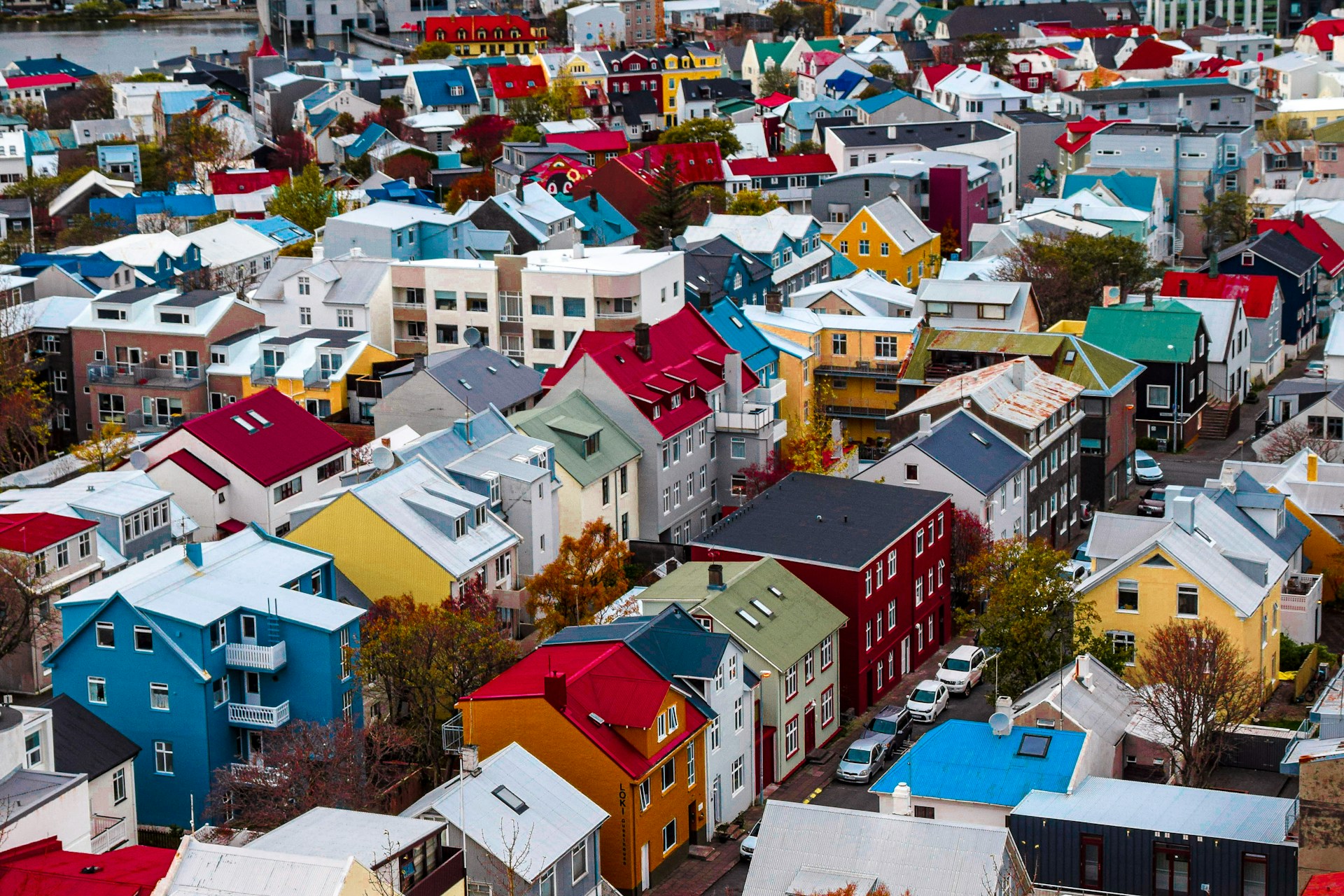
Reykjavík's architecture tells its own quiet story, built from stone, glass, and volcanic rock. Three landmarks capture this best: a church tower, a concert hall, and a historic square.
Guðjón Samúelsson shaped much of Reykjavík's skyline through decades of bold design choices. His best-known work, Hallgrímskirkja Church, rises 74.5 meters (244 feet) above the city center. Entry to the church is free, though a small fee applies to reach the tower. From there, visitors get wide views across the city.
Down by the harbor, Harpa Concert Hall shows a different side of Icelandic design. Its glass facade draws directly on the shape of basalt columns. Strolling between Harpa and the Old Town is one of the most romantic things to do in Reykjavík, especially in the evening.
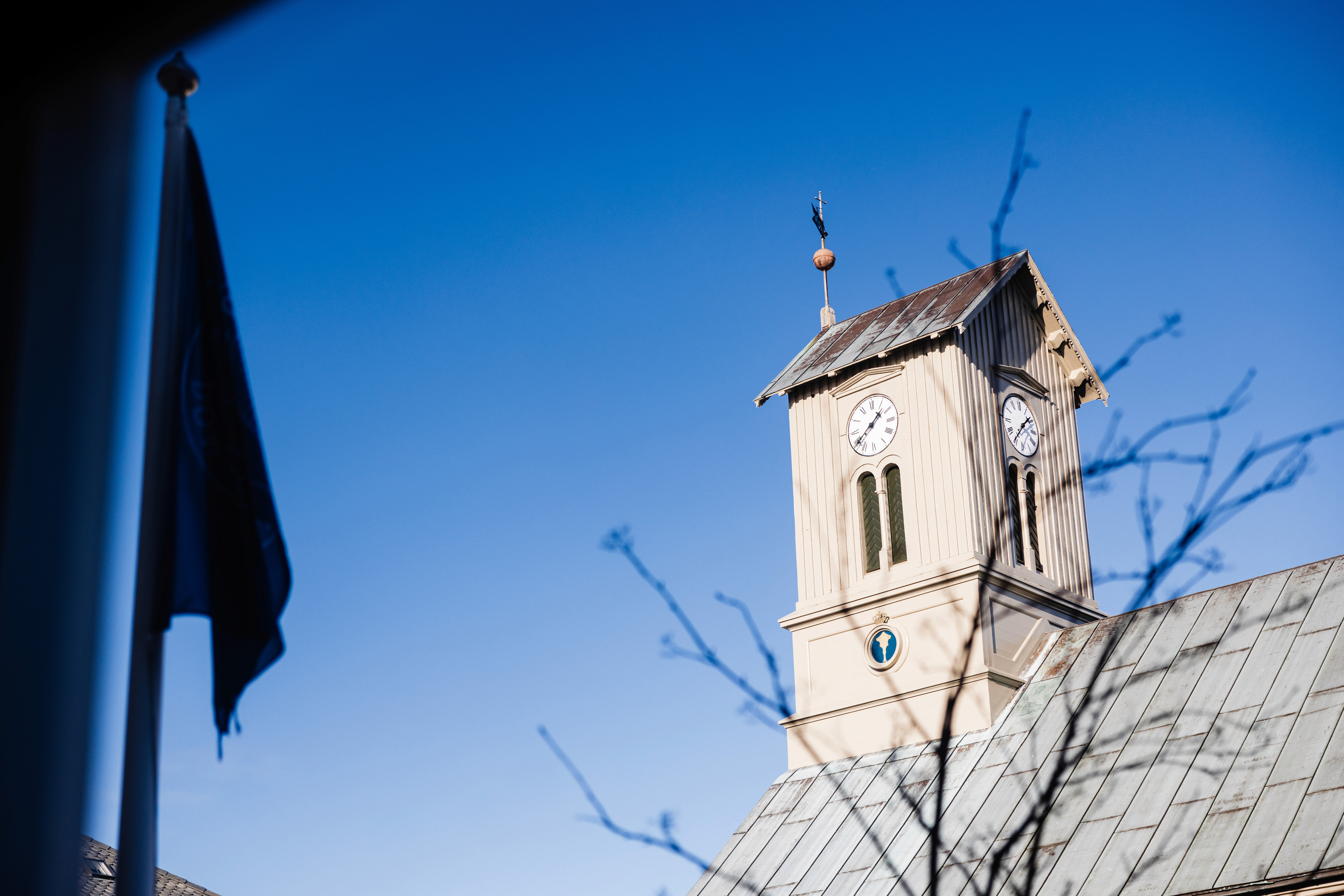
A short walk away, Austurvöllur Square sits at the center of the old town. Alþingi, the Icelandic parliament, and Dómkirkjan cathedral both face the square.
Design and the Icelandic Everyday
Downtown Reykjavík is full of small studios and shops that carry the same clean lines found in the city's museums. Icelandic graphic design favors simple typography and natural materials, a style visible in local shop signage.
Stores along Skólavörðustígur and Laugavegur sell ceramics, textiles, and printed goods from local and international designers. They are easy stops when exploring Reykjavík with no itinerary.
Where Art Spills onto the Street
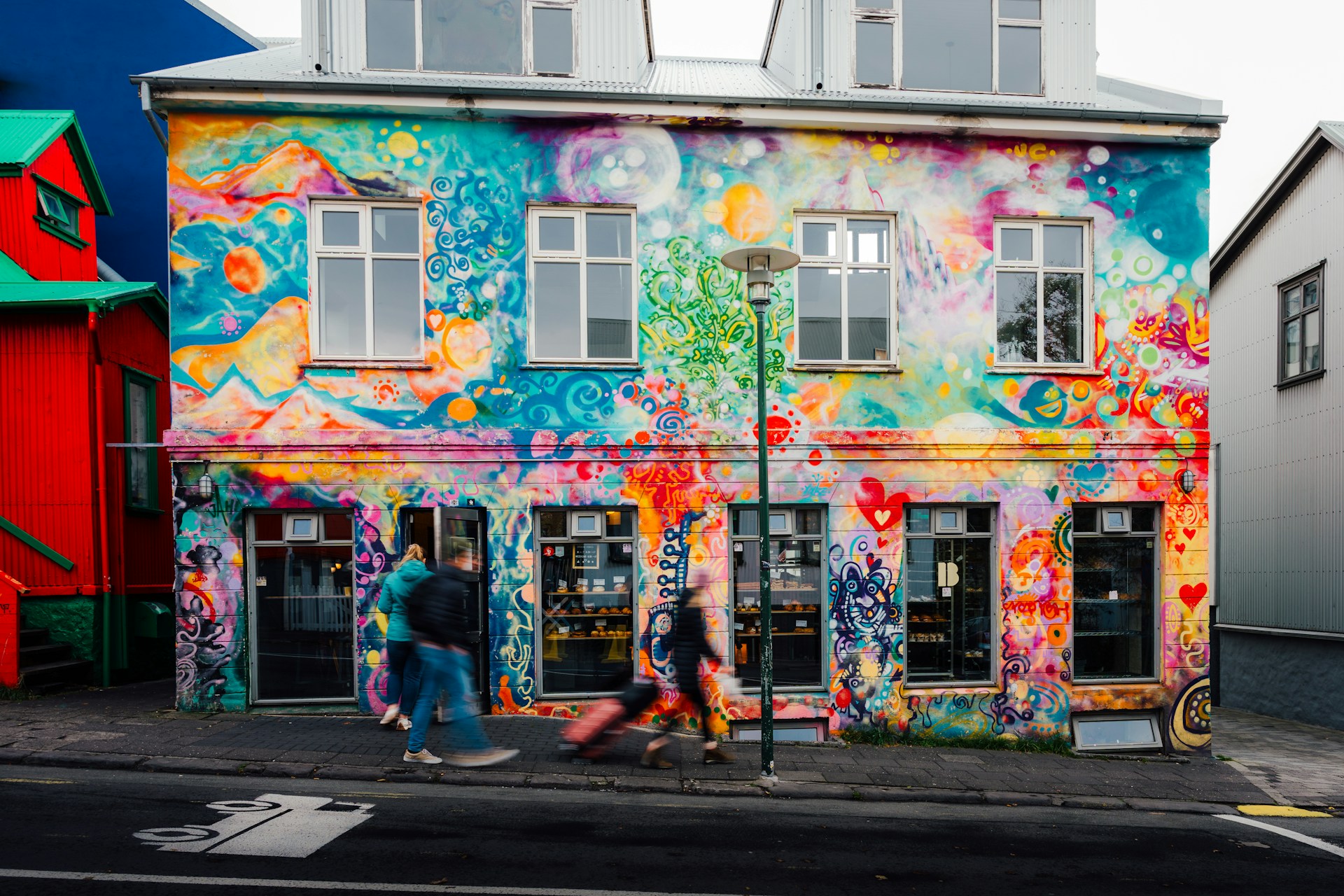
Much of Reykjavík's arts scene lives outdoors. If you want to explore Reykjavík on foot, the Reykjavík Art Walk is a free self-guided route linking more than 200 pieces of public works across the city. Murals and street art fill the alleys around the harbor, many created through collaborations with visiting international artists.
Practical Tips for an Art and Design Weekend
A weekend built around art and design runs smoother with a little planning. These few details help visitors make the most of each stop.
A single museum ticket at the Reykjavík Art Museum grants entry to all three locations for 24 hours. Plan accordingly if visiting more than one site in a day.
Many galleries close on Mondays, and hours shift with the seasons. Checking ahead saves a wasted trip.
Comfortable shoes matter more than a tight schedule, since most sites sit within walking distance of downtown.
Evening visits pair well with a sunset walk in Reykjavík, especially in summer when the light lingers. The soft evening glow makes for a quieter, calmer look at the same buildings.
Kvosin, a boutique hotel in Reykjavík, sits on Austurvöllur Square, a few minutes from Hallgrímskirkja, Harpa, and the Art Museum. Guests can start a museum weekend without needing a car or a long walk.

Reykjavík's Art and Design Scene
A weekend spent following art, architecture, and design in Reykjavík covers more ground than most visitors expect. Between harbor museums, a church tower, and quiet gallery streets, the city reveals a side that outdoor tours often miss. A slow weekend in Reykjavík makes it easy to move between these stops while enjoying the city's relaxed pace.
Kvosin sits within walking distance of nearly every landmark above, right on Austurvöllur Square. Guests can settle into a quiet room after a day of galleries and architecture. Explore rooms at Kvosin and plan a stay with Reykjavík's leading art, architecture, and design attractions within walking distance.
FAQs
Who designed Harpa Concert Hall in Reykjavík?
Harpa Concert Hall was designed by Henning Larsen Architects in collaboration with Batteríið Architects. Artist Ólafur Eliasson helped develop the building's distinctive glass facade, inspired by Icelandic basalt formations.
Is the Reykjavík City Card worth it for visiting art museums?
The Reykjavík City Card includes free entry to several major museums and galleries across the city. It can save money for visitors planning to see multiple art and design sites in one trip.
What is the difference between the Reykjavík Art Museum and the National Gallery of Iceland?
The Reykjavík Art Museum focuses on contemporary and twentieth-century Icelandic artists across three buildings. The National Gallery of Iceland covers a broader historical collection, from the late 1800s onward.
What is the best area to stay in Reykjavík for art and architecture sightseeing?
Austurvöllur Square sits close to Hallgrímskirkja, Harpa, and the Reykjavík Art Museum. Staying downtown keeps most major art and design sites within a short walk.
Are Reykjavík's art museums suitable for children?
Ásmundarsafn's sculpture garden and outdoor spaces work well for families with children. Kjarvalsstaðir and Hafnarhús also welcome younger visitors, though exhibits vary by season.
Frequently asked question
GOOD TO KNOW
What time is check-in and check-out?
Check-in is from 15:00 (3pm) and check-out is before 11:00 (11am).
Is breakfast included in the price?
Breakfast is not always included as standard, but can be added to your stay.
What amenities are included in the room?
Each room is includes a TV, espresso maker, and designer toiletries.
What is the cancellation policy?
Cancellation and prepayment policies vary according to accommodation type. Check what conditions apply to each option when making your selection.
Are pets allowed in the hotel?
Unfortunately, Pets are not allowed at the hotel.
Is there parking available on-site?
There is street parking and public parking available near the hotel.